When project teams begin evaluating glazed roof systems early in design, the stakes are high. Structural glass skylight daylighting in commercial buildings is no longer a luxury feature—it is a performance-driven decision that influences LEED certification scores, occupant productivity, and long-term energy budgets simultaneously. Architects and sustainability consultants who understand the interplay between visible light transmittance, thermal control, and structural integrity gain a decisive advantage when aligning design intent with owner expectations and code requirements.
At LITEFLAM, we work with project teams across North America at the earliest stages of schematic design, precisely because the specification decisions made in those first conversations determine whether a glazed roof system truly delivers on its promise or becomes a source of glare, heat gain, and maintenance complexity. This article walks through the key technical and certification considerations every sustainability-minded architect should evaluate.
The LEED v4 and v4.1 rating systems reward projects that provide occupants with a meaningful connection to the outdoors through natural light. Under the Indoor Environmental Quality category, the Daylight credit offers up to three points based on illuminance levels, spatial daylight autonomy (sDA), and annual sunlight exposure (ASE) thresholds. LEED daylighting credits glass skylights can satisfy are directly tied to how well the glazing system performs across these metrics throughout the year.
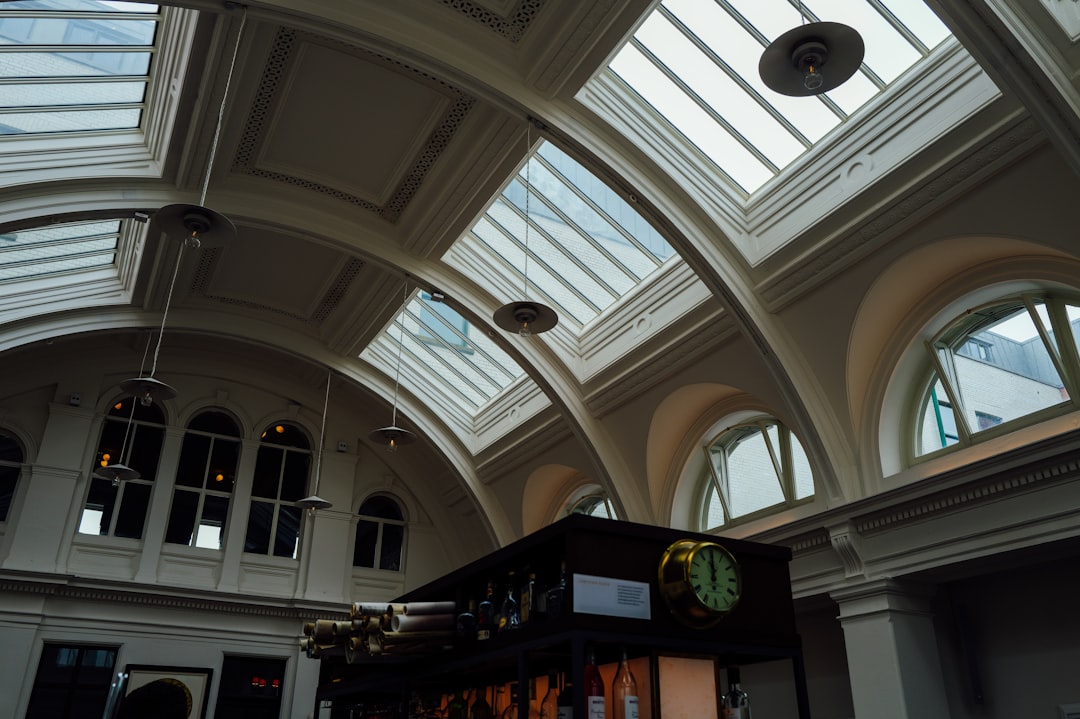
Skylights are particularly effective because they introduce light from above, distributing it more evenly across a floor plate than vertical fenestration alone. Studies consistently show that a well-positioned structural glazing daylight design can deliver two to five times more usable daylight per square foot of glazing compared to a curtain wall at the same solar orientation. For large-footprint commercial interiors—retail concourses, corporate atriums, educational facilities, and healthcare lobbies—this efficiency advantage is critical.
Beyond certification points, the human performance argument for glass roof systems architects specify is becoming impossible to ignore. The WELL Building Standard, Fitwel, and an expanding body of peer-reviewed research link access to natural light with reduced absenteeism, improved circadian regulation, faster patient recovery times, and measurable gains in cognitive performance among office workers.
For commercial clients—whether a corporate tenant negotiating a lease or a healthcare operator evaluating a renovation—these outcomes translate directly into real estate value and operational cost savings. Architects who can present daylight as a wellness infrastructure investment, rather than an aesthetic choice, find that owners are far more willing to invest in high-performance structural glazing systems that deliver verified results.
"Daylight is not decoration. In commercial architecture, it is a building system with measurable returns on occupant health, energy performance, and asset value."
LITEFLAM's structural glass skylight systems are engineered to support this position by providing project teams with verified optical and thermal data, load calculations, and daylight simulation support that makes the wellness and performance case concrete and defensible.
One of the most persistent specification challenges in skylights energy performance commercial projects is the trade-off between visible light transmittance (VLT) and solar heat gain coefficient (SHGC). High VLT values—desirable for maximizing daylight and sDA scores—tend to correlate with higher SHGC values, which increase cooling loads in warm climates and can push a project beyond its ASE threshold.
Modern high-performance interlayer technologies and low-emissivity coatings have narrowed this gap considerably, but no single glazing unit is optimal for every project. The right balance depends on several intersecting variables:
LITEFLAM's engineering team provides project-specific glazing unit recommendations with full thermal and optical data sheets, enabling architects and MEP engineers to run accurate energy models and meet ASHRAE 90.1 compliance benchmarks without compromising daylight quality.
A glazed roof system that performs beautifully in a daylight model but fails to meet structural requirements creates significant liability exposure and redesign costs. Glass roof systems architects specify for walkable or overhead applications must satisfy a layered set of structural demands that vertical glazing does not encounter at the same magnitude.
Key structural considerations include:
LITEFLAM's systems are engineered and tested to meet IBC structural requirements and OSHA overhead glazing guidelines, with project-specific engineering letters available to support building department submissions. Explore our full range of certified systems at liteflam.com/systems.
The most effective time to integrate a structural glass skylight strategy is during schematic design, when massing, roof geometry, and program adjacencies are still fluid. At this stage, project teams should establish target sDA and ASE values, identify climate-appropriate glazing unit ranges, and confirm structural bay dimensions that allow efficient glass panel sizing with minimal waste.
Reviewing completed projects that have achieved LEED certification with overhead glazing systems provides invaluable benchmarking data. LITEFLAM's completed project portfolio—available at liteflam.com/projects—includes commercial, institutional, and mixed-use applications across a range of climate zones, each documented with glazing specifications, daylighting outcomes, and structural system details that design teams can reference directly.
The decisions that determine whether a glazed roof system earns LEED credits, supports occupant wellness, and meets long-term energy performance targets are made before the first construction document is issued. Contact LITEFLAM today to connect with our structural glazing specialists and daylight design team. We provide complimentary early-stage consultations, glazing unit recommendations, and project-specific engineering support to help your team specify with confidence from day one.