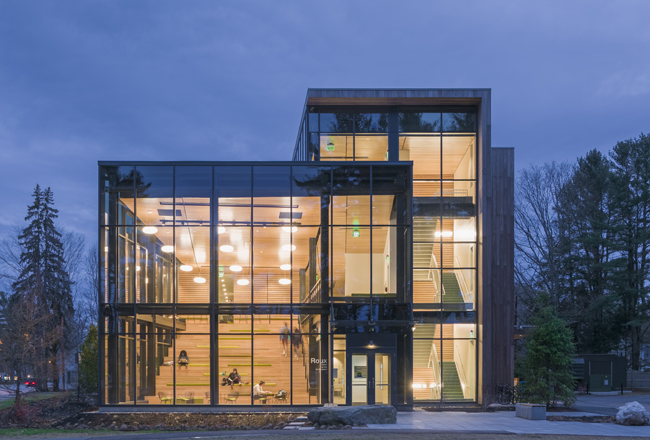
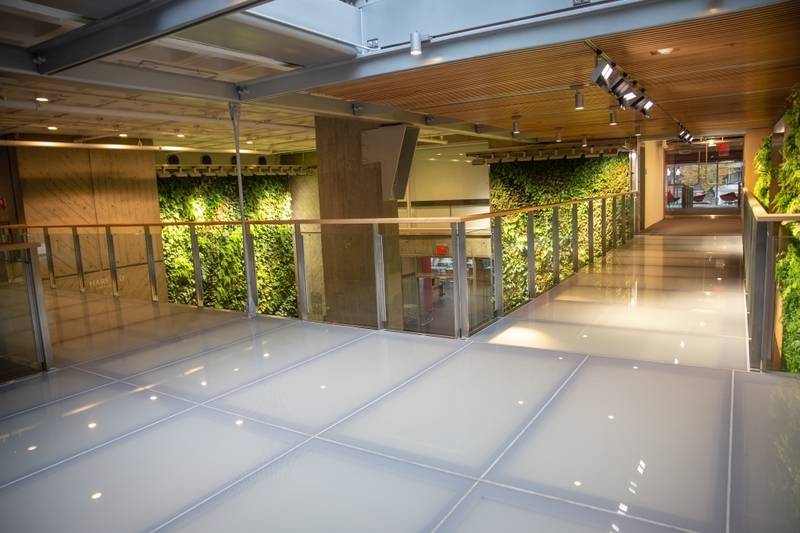
The demand for transparency in commercial architecture has never been stronger. Clients want light to travel freely between floors, and designers want structural elements that disappear into the built environment. Fire rated glass floor systems make both possible without sacrificing the life-safety performance that building codes demand. For architects specifying these assemblies, however, the path from concept to compliant installation requires a clear understanding of materials, ratings, structural requirements, and coordination across disciplines.
This guide walks through the essential considerations every architect and engineer should address when incorporating walkable glass panels and fire-rated floor assemblies into a commercial project.
A fire rating on a glass floor assembly is not a single, monolithic certification. It represents a tested performance window measured in minutes or hours, typically categorized as 45-minute, 60-minute, or 90-minute ratings under ASTM E119 or UL 263 standards for floor and ceiling assemblies. The rating reflects how long the assembly can contain fire and limit heat transfer to the unexposed side.
For structural glass flooring in commercial applications, architects must distinguish between two critical performance criteria:
Not all glass products marketed as fire-rated meet both criteria. Always verify that the product carries a listed assembly number from a recognized testing laboratory such as UL or Intertek, and that the listing specifically covers floor and walking surface applications — not just vertical glazing systems repurposed for horizontal use.
The International Building Code governs fire-rated construction requirements in most jurisdictions across North America. Under IBC Section 712, floor assemblies separating occupancies or acting as horizontal fire barriers must achieve the minimum fire-resistance rating associated with the construction type and occupancy classification of the building.
When specifying a fire-rated floor assembly using glass, architects must address the following IBC touchpoints:
Working with a manufacturer that provides full listing documentation and has experience navigating AHJ approvals across North America will significantly reduce risk during the permitting phase. Explore LITEFLAM's fire-rated system specifications and listings to understand the full scope of available rated assemblies.
Fire performance is only one dimension of the specification challenge. Walkable glass panels must also satisfy structural demands that are fundamentally different from those applied to vertical glazing. Foot traffic, concentrated point loads, maintenance vehicle loads, and dynamic loading from crowds all act on a horizontal glass surface in ways that vertical glazing never experiences.
Structural glass flooring panels are typically constructed from multiple layers of tempered or heat-strengthened glass laminated with interlayers engineered to maintain post-breakage integrity. The laminate build-up must be designed to achieve both the required fire rating and the structural load capacity simultaneously. These are not always compatible goals, and the interlayer chemistry used in fire-rated intumescent glass differs significantly from standard SentryGlas or PVB laminates used in non-rated applications.
Architects should require manufacturers to provide load tables verified against ASTM E1300 for glass strength and AISC or applicable steel framing standards for the supporting substructure. Never assume that a fire-rated glass product designed for a vertical curtain wall can be rotated 90 degrees and used as a floor.
A walkable glass surface must comply with ADA requirements and OSHA guidelines for slip resistance. The coefficient of friction (COF) for pedestrian surfaces must meet a minimum of 0.42 under wet conditions per ASTM C1028 or the BOT-3000E dynamic test method. Surface treatments including acid etching, ceramic frit, and sandblasting can achieve compliant COF values while preserving the visual clarity that makes glass floors architecturally compelling.
Coordinate with the manufacturer early to confirm that the surface treatment does not compromise the fire rating of the assembly. Some surface coatings affect the intumescent behavior of fire-rated interlayers and may void the listed assembly.
The glass panels themselves are only one component of a compliant fire-rated floor assembly. The framing system, perimeter supports, and connections to the primary building structure all form part of the listed assembly. Substituting untested framing components or altering panel dimensions beyond the listed size limitations will invalidate the fire rating.
Key framing considerations include:
Review LITEFLAM's installed project portfolio to understand how these structural integration challenges have been resolved across a range of commercial building types. Browse completed LITEFLAM projects for real-world specification references.
Successful integration of fire-rated glass floor systems in commercial buildings requires early and sustained coordination between the architect, structural engineer, mechanical engineer, and the specialty glazing contractor. The floor assembly affects structural load paths, fire compartmentalization strategies, HVAC plenum conditions, and acoustic performance simultaneously.
Establish a pre-design meeting with all disciplines and the manufacturer's technical team before the schematic design phase closes. Decisions made at the system selection stage — panel dimensions, support framing type, fire rating level — will cascade through structural drawings, mechanical layouts, and finish specifications. Late-stage changes to fire-rated assemblies are among the most costly and schedule-impacting revisions a commercial project can absorb.
"The best fire-rated glass floor installations we see are the ones where the architect treated the glass system as a primary structural and life-safety element from day one — not as a decorative finish added at the end of design development."
Fire rated glass floor systems represent one of the most technically demanding product categories in commercial architecture, but they also deliver some of the most powerful spatial experiences available to the design profession. With the right manufacturer partner, a well-coordinated specification process, and a clear understanding of fire ratings, structural demands, and code requirements, these systems can be detailed and permitted with confidence.
LITEFLAM's team of technical specialists works directly with architects and engineers throughout North America to support project specifications, provide listing documentation, assist with AHJ submissions, and deliver fire-rated glass floor assemblies that perform exactly as designed. Contact LITEFLAM today to discuss your project requirements and request technical specification support for your next commercial building design.